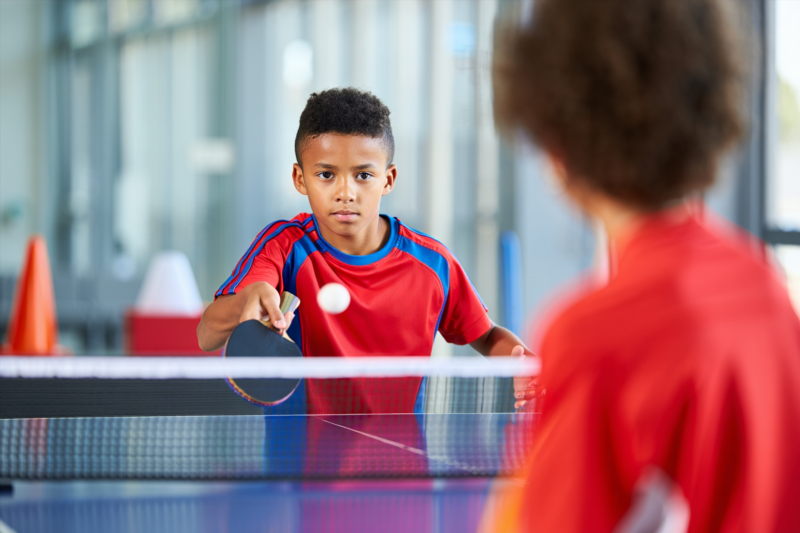
In the fiercely competitive world of international table tennis, developing youthful talent is not just about nurturing skills—it’s about crafting champions equipped with the mental resilience, tactical intelligence, and technical mastery needed to succeed globally. NomadSpin TT, a leading platform dedicated to the technical, tactical, and mental aspects of table tennis, recognizes that tailored youth development strategies are vital for future stars to shine on the international platform. This article explores proven techniques in youth player development that boost athletic potential and pave the way to international success.
The Foundations of Effective Youth Development in Table Tennis
Personalized Coaching: The Cornerstone of Talent Growth
Every young athlete is unique, requiring customized training programs that address their specific strengths and weaknesses. Effective youth development hinges on:
- Assessment of Skill Levels: Regular evaluation of technical proficiency, footwork, and match awareness.
- Individualized Training Plans: Tailored drills focused on stroke mechanics, spin variation, and serve strategies.
- Psychological Support: Building mental toughness to handle pressure and setbacks typical in international competitions.
Progressive Training Strategies: Developing Consistency and Adaptability
Progression in training ensures young players continually elevate their performance:
- Structured Skill Development: Starting from basic strokes to advanced tactical plays.
- Simulated Match Conditions: Regular practice scenarios that mimic tournament pressure.
- Incremental Challenges: Gradually increasing the difficulty of drills to promote adaptability and resilience.
Advanced Techniques for Youth Player Advancement
Technique and Mechanical Foundations
Focusing on stroke mechanics and footwork systems develops a reliable technical base:
- Stroke Mechanics: Emphasize proper biomechanics for forehand, backhand, and blocking techniques.
- Spin and Serve Mastery: Teaching varied spin generation and strategic serve placement.
- Footwork Precision: Drills that improve lateral movement, quick transitions, and positional awareness.
Tactical and Mental Skills
Developing tactical awareness and mental readiness is crucial:
- Rally Construction: Crafting sequences that exploit opponents’ weaknesses.
- Serve and Receive Strategy: Varying strategies to keep opponents guessing.
- Mental Preparation: Visualization, focus exercises, and stress management techniques to perform under pressure.
Performance Patterns and Their Role in International Success
Recognizing and training specific performance patterns, such as reaction speed, consistency, and strategic thinking, differentiate top youth players from their peers. Consistent training in these areas ensures that young athletes can:
- Adapt quickly to different playing styles.
- Maintain high performance levels during critical match moments.
- Transition seamlessly from youth-level to senior international competitions.
Implementing Youth Development Programs
Tactical Evolution and Long-term Planning
A successful youth program should integrate the following:
| Phase | Focus Areas | Key Objectives |
| Beginner | Fundamentals | Proper technique, basic tactics |
| Intermediate | Skill refinement | Spin generation, serve variation |
| Advanced | Competition readiness | Match strategy, mental toughness |
Continuous Monitoring and Feedback
Regular performance analysis using video review and match data is essential:
- Match Analysis Insights: Identifying strengths and areas for improvement.
- Equipment and Training Aids: Utilizing modern tools to enhance technique and consistency.
Frequently Asked Questions (FAQs)
How early should youth players start specialized training?
Ideally, technical training can begin between ages 8-10, but foundational skills and enjoyment should be prioritized to foster long-term engagement.
What are key mental skills for young internationals?
Resilience, focus, stress management, and confidence are critical mental attributes that can be cultivated through mental coaching and real-match experiences.
How can coaches adapt training for diverse youth skill levels?
Implement a tiered approach, progressively increasing complexity based on the athlete’s development, and include varied drills to address individual needs.
Harnessing tailored coaching techniques, progressive training strategies, and a focus on mental and tactical development can significantly enhance the potential of young table tennis players. By fostering a comprehensive growth environment, aspiring champions will be better prepared to excel in international competitions, turning raw talent into podium-worthy performance. Start exploring these youth development methods today to secure a brighter tomorrow in the world of global table tennis.