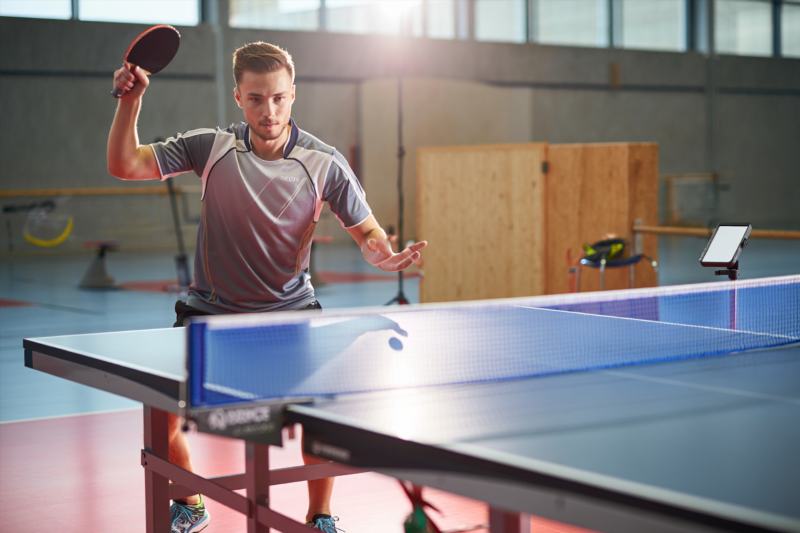
Unlock the Secrets to Mastering Table Tennis in Any Environment
In the fast-paced world of modern table tennis, adaptability isn’t just a bonus—it’s essential. Whether you’re traveling across clubs, training in different environments, or simply seeking to elevate your game on the go, cultivating versatile skills is your key to consistent improvement. At NomadSpin TT, we believe that exceptional players are those who can seamlessly transition their technique, tactical understanding, and mental resilience regardless of the setting. This article will guide you through effective strategies to enhance your skills across diverse clubs and environments, helping you perform at your best wherever you train.
The Importance of Versatile Training in Modern Table Tennis
Modern table tennis demands a holistic approach—combining precise stroke mechanics, strategic play, and mental fortitude. Playing across different environments exposes you to various factors such as equipment differences, flooring, lighting, and even coaching styles. Learning how to adapt quickly and efficiently ensures that your performance remains consistent, no matter where you step onto the table.
Practical Strategies for Consistent Progress Across Different Clubs
1. Develop a Portable Skill Set
Focus on mastering fundamental techniques that can be easily adapted. For example:
- Stroke Mechanics: Emphasize closed racket angles for spin control that can be fine-tuned based on equipment and lighting.
- Footwork Patterns: Practice compact, efficient footwork drills that require minimal space but maximize movement quality.
- Serve and Receive Strategies: Work on versatile serves that can be varied quickly, allowing you to adapt to different opponents and environments.
2. Adjust Equipment and Settings Mindfully
- Grip and Stroke Adjustments: Be open to minor changes based on racket weight or rubber type.
- Footwear Adaptation: Choose shoes that provide stability across different flooring types, or keep a versatile pair handy.
- Setting Up Personal Caddie or Visual Cues: Use visual markers or portable tools to maintain consistency in your stance and stroke mechanics.
3. Optimize Your Practice Routine On-the-Go
| Tip | Explanation |
| Plan Ahead | Research clubs beforehand—know their facilities, equipment, and typical gameplay styles. |
| Prioritize Core Drills | Focus on drills that address your weaknesses and can be performed with minimal equipment. |
| Incorporate Mental Warm-Ups | Use visualization and mental focus exercises to prepare for different settings. |
| Record and Review | Use your smartphone to record sessions for later analysis. This helps identify areas needing adjustment in new environments. |
Enhancing Match Analysis and Tactical Learning on the Move
Adapting to different clubs isn’t just about physical skills—strategic flexibility is equally important. Pay attention to:
- Stroke Variations: Recognize how equipment or playing surfaces influence spin and pace.
- Opponent Tendencies: Observe and adapt to common playing styles in new environments.
- Tactical Adjustments: Alter rally construction and shot selection based on your surroundings.
Using video analysis tools and performance pattern insights from NomadSpin TT can help you identify subtle cues and refine your game, regardless of where you’re training.
Building Mental Resilience for Traveling Players
Success across diverse clubs depends on your mental game:
- Stay Focused: Maintain concentration despite unfamiliar surroundings.
- Keep an Open Mind: Embrace different playing styles as learning opportunities.
- Routine Flexibility: Develop portable routines that prepare you mentally and physically for any setting.
Mental preparation enhances your ability to perform consistently, turning every training session into a stepping stone toward mastery.
FAQs: Your Questions About Training Like a Nomad
How can I maintain consistent technique when moving between clubs?
Focus on mastering core fundamentals—stroke mechanics, footwork, and serve strategies—that are adaptable. Use recordings to self-evaluate and adjust based on equipment or environment differences.
What equipment should I carry when training in different clubs?
Carry a versatile racket with adjustable rubber settings if possible, a spare pair of footwear suitable for various floors, and portable training aids like mini-cones or markers for footwork drills.
How do I adapt tactically to different opponents and environments?
Observe opponents carefully, note their common tactics, and modify your rally construction accordingly. Use mental cues to stay flexible and implement your strategic variations seamlessly.
Final Thoughts: Become a True Nomad of Table Tennis
Training like a nomad isn’t just about traveling; it’s about cultivating a mindset of adaptability, resilience, and continuous improvement. By developing portable skills, optimizing your routines across different environments, and leveraging strategic insights, you can elevate your game wherever you play. Embrace the challenge—your journey to becoming a versatile and resilient table tennis player begins today.
Take Action Now!
Start implementing these tips today to turn every training session into an opportunity for growth. Whether you’re at a new club or practicing solo, remember: your ability to adapt is your true competitive edge. For more expert insights, targeted match analysis, and tactical evolution strategies, explore NomadSpin TT and join a community dedicated to mastering the art of flexible, high-performance table tennis.
Train like a nomad—improve everywhere.