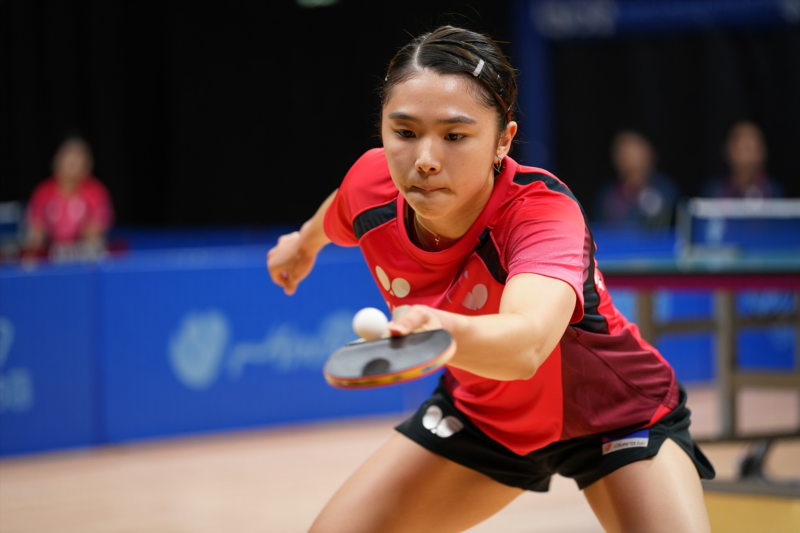
In the fast-paced world of modern table tennis, victory often hinges on more than just powerful strokes or colorful spin — it depends heavily on impeccable footwork. At NomadSpin TT, we understand that elite players master a variety of movement techniques to stay ahead of their opponents. This article delves into effective footwork strategies for match play, focusing on side steps and cross steps — essential tools for enhancing agility, positioning, and overall game performance.
Why Footwork Is Critical in Modern Table Tennis
Good footwork ensures optimal positioning for each shot, allowing you to:
- Set up attacking shots with ease
- Maintain balance and stability
- Recover quickly for the next rally
- Exploit opponent weaknesses
In competitive environments, slow or improper footwork can make even the most skilled players vulnerable. Incorporating structured movement systems like side and cross steps transforms your approach, making you faster, more responsive, and unpredictable.
Understanding Side Steps and Cross Steps
What Are Side Steps?
Side steps involve lateral movement, allowing you to adjust your position sideways without changing your facing direction significantly. They are crucial when:
- Tracking balls placed to the sides
- The opponent’s opening shot pulls you wide
- Re-positioning for optimal forehand or backhand stance
Key Benefit: Keeps your center of gravity stable, facilitating quick reaction and shot execution.
What Are Cross Steps?
Cross steps involve stepping diagonally across the body, enabling you to cover larger distances laterally in less time. They are particularly effective when:
- Moving from a defensive to an offensive position
- Reaching wide shots on the opposite side
- Transitioning between forehand and backhand quickly
Key Benefit: Explores space efficiently, improving court coverage and rally control.
How to Execute Effective Side and Cross Steps
The Technique of Side Steps
- Start in a balanced ready stance, with knees slightly bent.
- Shift weight onto the stepping foot (e.g., left foot for right movement).
- Move laterally by pushing off the stationary foot, maintaining low posture.
- Land softly with feet shoulder-width apart to prepare for the next shot.
- Keep your eyes on the ball and maintain proper racket positioning.
The Technique of Cross Steps
- Position yourself in a ready stance facing the table.
- Step diagonally across with the front foot (right foot to reach a wide forehand shot on the left side, for example).
- Push off the back foot, allowing the body to flow naturally into the new position.
- Ensure quick recovery back to the ready stance after executing the shot.
Drills to Master Side and Cross Steps
| Drill Name | Objective | Description |
| Cone Lateral Shuffle | Improve lateral agility | Arrange cones in a line; practice side steps, touching each cone. |
| Cross Step Reach | Enhance diagonal movement and court coverage | Place targets diagonally; practice smooth cross steps to reach each. |
| Multi-Ball Drill | Combine footwork with stroke execution | Coach feeds balls randomly; focus on footwork transitions. |
Tips for Integrating Footwork Into Match Play
- Focus on consistency: Regular practice ingrains these movements.
- Maintain low center of gravity: Enhances balance and reaction time.
- Stay relaxed: Tension hampers quick movements.
- Use visual cues: Anticipate where the ball will go to prepare your footwork proactively.
- Combine footwork with stroke mechanics: The best players seamlessly integrate movement with shot execution.
Frequently Asked Questions (FAQs)
How important are footwork systems in competitive table tennis?
Footwork is arguably the most critical aspect of high-level play because it affects shot placement, speed, and overall efficiency. Mastering side and cross steps offers a tactical advantage, especially against aggressive or unpredictable opponents.
Can beginners benefit from learning side and cross steps?
Absolutely. Developing good footwork early on builds the foundation for advanced techniques and helps prevent injuries caused by improper movement.
How long does it take to improve footwork skills?
Progress varies based on training frequency and quality. Consistent practice over 3-6 months can yield noticeable improvements, especially when integrated into regular training routines.
Are there specific drills for footwork improvement?
Yes. We recommend drills like lateral shuffles, diagonal cross steps, and multi-ball exercises to develop agility, coordination, and timing.
Final Thoughts
Efficient footwork, especially side and cross steps, is fundamental for elevating your table tennis game. By mastering these movement patterns, you improve your court coverage, attack options, and overall tactical evolution. At NomadSpin TT, we encourage players to view footwork not just as a movement routine but as an integral part of match strategy, unlocking consistency and explosive agility.
Ready to take your footwork to the next level? Begin incorporating these techniques into your practice sessions today and watch your game transform.
Stay connected with NomadSpin TT for expert insights on technique development, match analysis, and tactical evolution in modern table tennis.