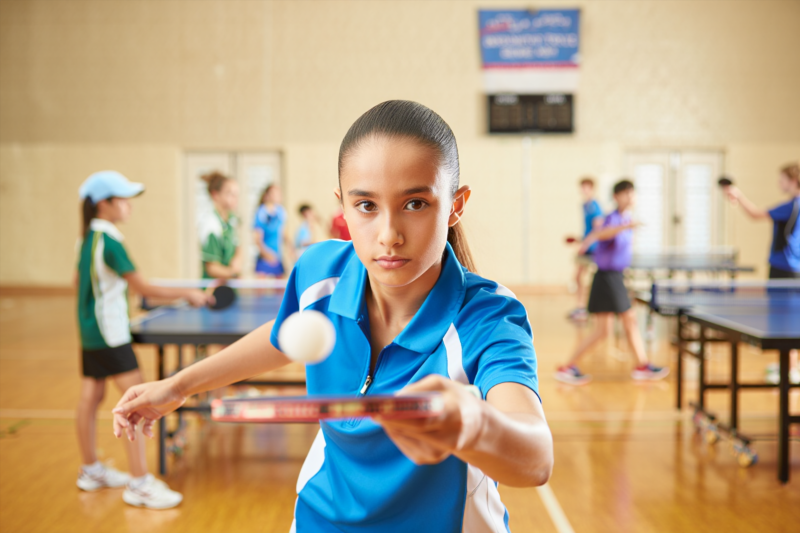
Effective distance management is a vital skill for anyone involved in table tennis, as well as in many other interpersonal interactions. Knowing when to step in, stay close, or step back can significantly enhance your safety, improve your connection with your opponent or partner, and elevate your overall gameplay and communication. At NomadSpin TT, we understand that mastering this nuanced dance of proximity is essential for developing sound technique, tactical awareness, and mental resilience.
In this comprehensive guide, we explore the critical aspects of distance management, focusing on how to determine optimal positioning to maintain safety and foster rapport. Whether you’re a beginner or an experienced player, these tips will help you navigate interactions confidently, ensuring that your physical and psychological boundaries are respected and optimized.
Why Distance Management Matters in Table Tennis and Beyond
Distance management goes beyond physical positioning; it influences:
- Safety and Injury Prevention: Maintaining appropriate proximity reduces the risk of accidental collisions or mishandling.
- Tactical Advantage: Proper distancing allows for optimal shot execution, coverage, and anticipation.
- Psychological Safety: Knowing when to step in or step back builds trust and rapport with your opponent, enhancing focus and enjoyment.
- Communication: In doubles or coaching scenarios, effective distance management safeguards clarity and mutual understanding.
When to Stay Close, Step In, or Back Off
Understanding the cues that signal the appropriate distance is crucial to shaping your interactions. Here are key circumstances for each action:
Stay Close When:
- Setting up for aggressive shots: When preparing to execute powerful smashes or spin shots, staying close offers better control.
- Engaged in rally construction: Maintaining proximity allows for quick exchanges and tactical positioning.
- Mental confidence: When you’re in a rhythm, staying close can help reinforce focus and connection.
Step In When:
- Deceptive tactics: Moving closer can reduce your opponent’s reaction time, allowing for more aggressive placement.
- Applying pressure: Proximity can intimidate opponents, forcing errors.
- Adjusting for precision: When executing delicate shots like drop shots or fine placement, stepping in ensures better control.
Step Back When:
- Defending or recovering: Increasing distance helps you regroup, prepare for the next shot, or avoid unnecessary risk.
- Opponent shifts their attack: When your opponent prepares to attack from a distance, stepping back creates space.
- Safety concerns: If a shot threatens to go out or you feel uncomfortable executing a risky shot, backing off maintains safety and composure.
Practical Tips for Effective Distance Management
To successfully navigate your proximity in play and interaction, incorporate these actionable strategies:
1. Use Visual and Sensory Cues
- Observe your opponent’s body language: Watch for signs of discomfort or readiness.
- Maintain eye contact: This reinforces rapport and signals your intended distance.
2. Practice Dynamic Positioning
- Vary your distance in drills: Simulate different game scenarios to develop instinctive responses.
- Mirror your opponent’s spacing: Adjust your position based on their actions and shot selections.
3. Control Your Intent and Movement
- Be intentional with steps: Avoid unnecessary movement that could compromise safety.
- Use small, controlled adjustments: Fine-tune your distance to stay connected without overcommitting.
4. Foster Communication
- Verbal cues: Use words like “coming in” or “backing off” as appropriate.
- Non-verbal cues: Nods or gestures can subtly inform your partner or opponent of your intentions.
5. Develop Emotional Resilience
- Stay composed under pressure: Managing your proximity with calmness enhances both safety and rapport.
- Learn from each interaction: Reflect and adapt strategies to better suit different opponents and situations.
Enhancing Connection and Safety Through Proximity
Balancing safety and connection requires awareness and adaptability. Here’s how to leverage proximity for better interactions:
| Scenario | Recommended Action | Key Benefit |
| Friendly rally or practice | Stay close, move proactively | Improves control and rapport |
| Competitive match | Maintain optimal distance, adjust as needed | Keeps the game fair, safe, and engaging |
| Coaching or mentoring | Step in for demonstration, back off for observation | Builds trust and clarity |
| Defensive or cautious approach | Step back to regain composure | Ensures safety and reduces errors |
Frequently Asked Questions
How can I tell if I’m too close or too far from my opponent?
Pay attention to tactile cues (your racket or body feeling too close/far), visual cues (missed shots or overreaching), and emotional cues (discomfort or overconfidence). Consistent practice and feedback from coaches help refine your sense of appropriate distance.
What role does mental awareness play in distance management?
Mental awareness is critical. Being mindful of your emotional state, confidence level, and the opponent’s responses helps you make instinctive, effective decisions about positioning.
How does distance management influence my overall game strategy?
Optimal positioning allows for better shot execution, reduced fatigue, and improved tactical flexibility. It helps you control the tempo and flow of the game while keeping safety at the forefront.
Mastering distance management is a subtle yet powerful skill that significantly impacts safety, rapport, and performance on the table tennis court. By understanding when to stay close, step in, or back off, you create a more secure, connected, and inspiring environment that elevates your game and your relationships with opponents and coaches alike. Practice these tips consistently, remain attentive to cues, and develop your intuition — because excellent proximity control is the foundation of modern table tennis mastery.
Call to Action
Ready to refine your distance management skills and take your table tennis technique to the next level? Join our NomadSpin TT training modules today, where expert guidance helps you develop tactical awareness, dynamic positioning, and mental resilience. Contact us now for personalized coaching sessions or access our exclusive technique resources!